The financial impacts of regular gambling
Frequent visits to casinos can initially appear to be an entertaining pastime, filled with thrill and excitement. However, the financial implications often extend far beyond the initial expenditure. Gamblers may find that their budget for entertainment spirals out of control, as the allure of potential winnings can lead to impulsive decisions. For example, a person may intend to spend a modest amount but end up wagering far more than they planned, resulting in significant losses over time, especially if they choose a secure online casino with fast withdrawal options that encourages high-stakes play.
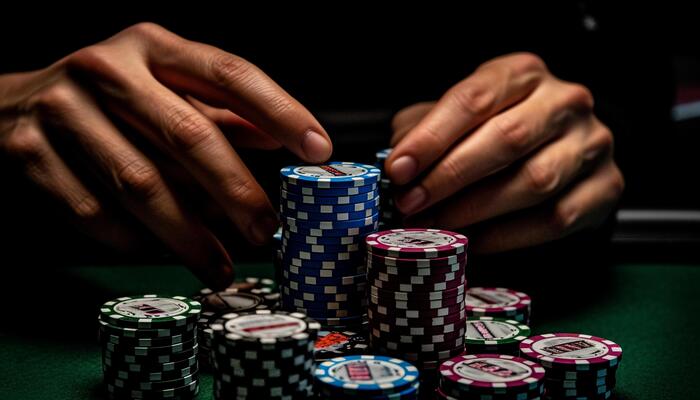
Moreover, the nature of casino gaming can create a false sense of security regarding financial outcomes. The occasional win can mask the reality that, statistically, the odds are often against the player. This oversight can lead to a dangerous cycle of chasing losses, where individuals feel compelled to return to recover their previous losses, often leading to even greater financial strain. This pattern is especially pronounced in games with high volatility, where players may experience rapid fluctuations in their bankrolls.
In addition to direct gambling losses, frequent casino visitors might incur hidden costs associated with their gaming habits. These can include transportation expenses, lodging if the casino is a resort, and even dining costs within the establishment. Over time, these expenses accumulate, making the overall cost of regular casino visits considerably higher than anticipated. Consequently, individuals should carefully assess their budget and consider both the direct and indirect financial commitments associated with frequent gambling.
Emotional and psychological costs
The emotional toll of regular casino visits is another often overlooked aspect. While the thrill of gambling can foster excitement, it can also lead to stress and anxiety, particularly when losses accumulate. The ups and downs of winning and losing can create a roller coaster of emotions, leading to mood swings that affect personal relationships and overall mental well-being. For example, a person who consistently loses money might experience feelings of shame or guilt, which can contribute to a cycle of further gambling to resolve these negative feelings.
In some cases, the excitement of gambling can evolve into problematic behavior or addiction. Individuals may find themselves increasingly preoccupied with gambling, impacting their daily lives and responsibilities. This preoccupation can lead to neglecting relationships, work duties, or personal health, which can have long-reaching consequences. Additionally, the social environment of casinos can further exacerbate these feelings, as players may encounter others who share a similar mindset, reinforcing risky gambling behaviors.
Furthermore, it’s essential to recognize that the emotional costs can extend beyond individual gamblers to their families and loved ones. The stress associated with gambling can create strains in relationships, as family members may feel the impact of financial instability or emotional withdrawal. It’s crucial for both gamblers and their families to have open conversations about the potential emotional ramifications of frequent gambling, fostering a supportive environment that prioritizes mental health and well-being.
Time and opportunity costs
The time commitment involved in frequent casino visits is another hidden cost that can have significant repercussions. What may start as a fun evening out can quickly turn into hours spent inside the casino, leading to missed opportunities in other areas of life. This can range from social engagements and family gatherings to personal interests and hobbies, as the allure of gaming can overshadow other meaningful activities. For instance, someone may choose to spend an evening at the casino instead of attending a friend’s important milestone event, which can lead to feelings of regret.
Additionally, frequent visits can lead to a skewed perception of time, where individuals may lose track of their surroundings while engrossed in gaming. In the casino environment, distractions abound, making it easy to spend far more time than initially intended. This time investment can affect productivity, as essential responsibilities may be put on hold or neglected entirely. Over time, the accumulation of such missed opportunities can contribute to dissatisfaction in a person’s overall quality of life.
The societal perspective on gambling and its associated time costs is also worth considering. As individuals invest more time in casinos, they may become less engaged in their communities or personal development. Pursuits such as volunteering, furthering one’s education, or spending quality time with family may take a backseat to the immediate gratification of gambling. Recognizing the balance between leisure activities and other fulfilling pursuits is essential for maintaining a healthy and enriching lifestyle.
Health consequences of frequent gambling
The health impacts of regular casino visits can be substantial, with many gamblers neglecting their physical well-being in favor of time spent within the gaming environment. The sedentary nature of casino activities, combined with the consumption of unhealthy foods and drinks often available, can lead to detrimental health effects. For instance, individuals may find themselves snacking on high-calorie items or consuming excessive caffeine, which can contribute to long-term health issues such as obesity or anxiety disorders.
Furthermore, the stress associated with gambling losses can lead to various mental health challenges. Anxiety, depression, and other psychological issues may arise as individuals grapple with the consequences of their gambling behavior. The cycle of betting, winning, and losing can trigger emotional turmoil, prompting unhealthy coping mechanisms. These mechanisms may include substance abuse or isolation from social support systems, ultimately hindering overall health and well-being.
Recognizing these health implications is crucial for individuals who gamble frequently. Taking proactive measures, such as setting time limits on casino visits or seeking support from mental health professionals, can help mitigate these health risks. Awareness and education about the potential impact of gambling on physical and mental health can empower individuals to make informed decisions about their gaming habits and prioritize their overall well-being.
Exploring resources and support for gamblers
Many individuals who frequent casinos may not realize that resources exist to help them understand and manage their gambling habits. Various organizations provide support for those struggling with gambling issues, offering education, resources, and counseling. These support systems can be invaluable for individuals seeking to address both the financial and emotional impacts of frequent gambling. The availability of group therapy, hotlines, and online resources ensures that help is accessible regardless of an individual’s circumstances.
Additionally, many casinos have begun implementing responsible gaming initiatives, allowing patrons to set limits on their spending or take breaks to reassess their gambling behavior. These initiatives aim to create a safer environment for gamers by promoting awareness about the potential risks of gambling. Engaging with these tools can help individuals enjoy gaming as a form of entertainment while minimizing the associated risks.
Ultimately, the decision to gamble is personal, but individuals should weigh the emotional, financial, and health costs against the enjoyment they receive from this activity. Accessing resources and forming a support network can help ensure that gambling remains a fun and controlled experience rather than a detrimental habit that negatively impacts one’s life. By staying informed and proactive, individuals can navigate the potential pitfalls of frequent casino visits, prioritizing their health and well-being alongside their entertainment choices.